3D Printed Drone Parts in Combat: What Ukraine’s War Proved About Field AM
Ukraine proved distributed AM under fire - polymer at the tactical edge, metal in the funded programs behind it. The honest map of where metal AM enters the drone supply chain.
Engineering
3D Printed Robot Parts at Mass-Production Scale: What the Optimus V3 Ramp Means for Metal AM
Optimus V3 entered production July-August 2026 with 37 joints and 1M-unit line capacity. Which robot parts get printed at that scale, which do not, and how to serve the ramp.
Engineering
Rutherford at 1,000: What Mass-Produced Metal AM Actually Requires
One printed rocket engine every 24 hours, 1000th Rutherford completed, 800+ flown. The EBM process choice, powder supply chain, inspection system and five lessons for series AM.
Engineering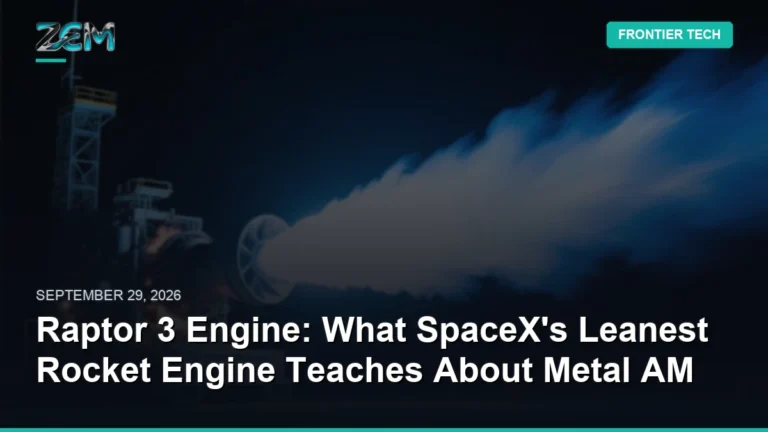
Raptor 3 Engine: What SpaceX’s Leanest Rocket Engine Teaches About Metal AM
Raptor 3 lifts thrust to ~250 tf while shedding mass to ~1,525 kg. Inside the AM-native design: consolidation, printed cooling channels, and five lessons for any engineering team.
Engineering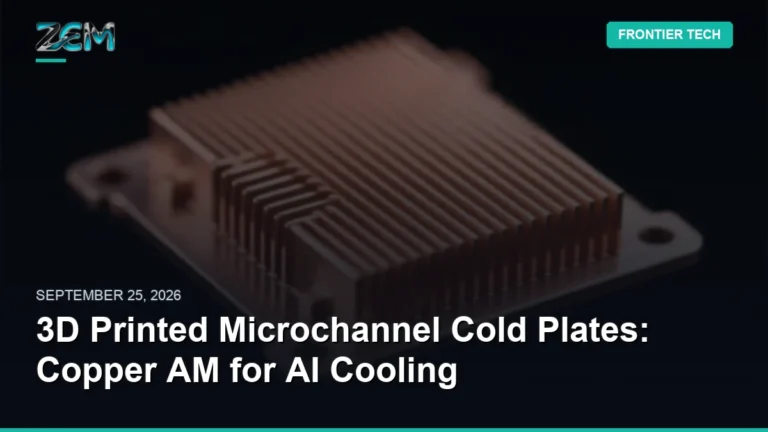
3D Printed Microchannel Cold Plates: Copper AM for AI Cooling
Printed 0.15-0.3 mm channels give up to +900% heat area and ~+48% cooling. Why copper is hard to print, the design rules, and when an AM cold plate pays.
Engineering
Metal AM Standards in 2026: Which ISO and ASTM Specs Should Your Supplier Meet?
ISO/ASTM 52901 anchors the purchase contract, ASTM F2924 covers Ti-6Al-4V, and 2026 adds machine qualification (TS 52949) plus China's six new national standards. Here is the stack, layer by layer.
Engineering
Reused Metal Powder in 2026: How Many Reuse Cycles Are Safe for Your Parts?
316L tolerates 10-15 reuse cycles, Ti-6Al-4V up to 21 in controlled studies - but the sieve-and-measure discipline between cycles, not the count, is what keeps reused powder safe and your quote honest.
Engineering
HIP vs Stress Relief: Which Post-Processing Does Your Part Need
Stress relief removes residual stress from the build; HIP (hot isostatic pressing) closes internal porosity under heat and ~100 MPa of argon pressure. They are not alternatives solving the same problem —…
Engineering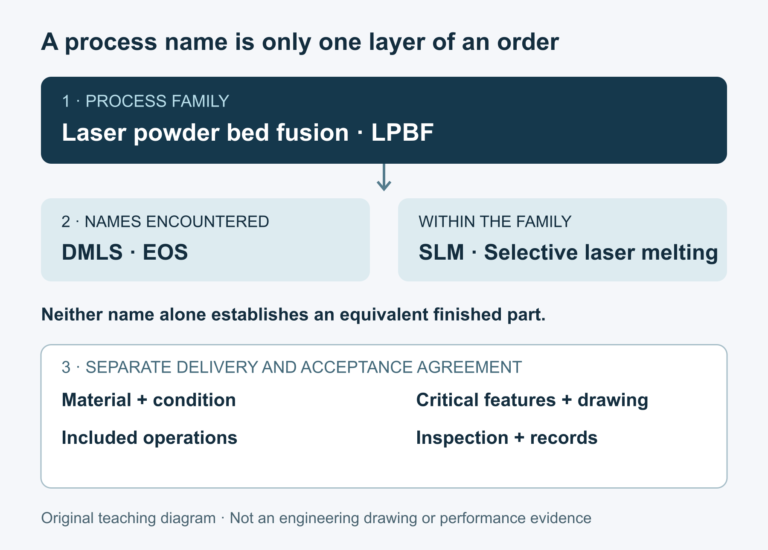
DMLS vs SLM vs LPBF: What Buyers Must Specify Beyond the Process Name
Are DMLS, SLM and LPBF really the same? Compare the terminology, what a quote must answer, and what buyers should specify beyond the process name.
Metal Additive Manufacturing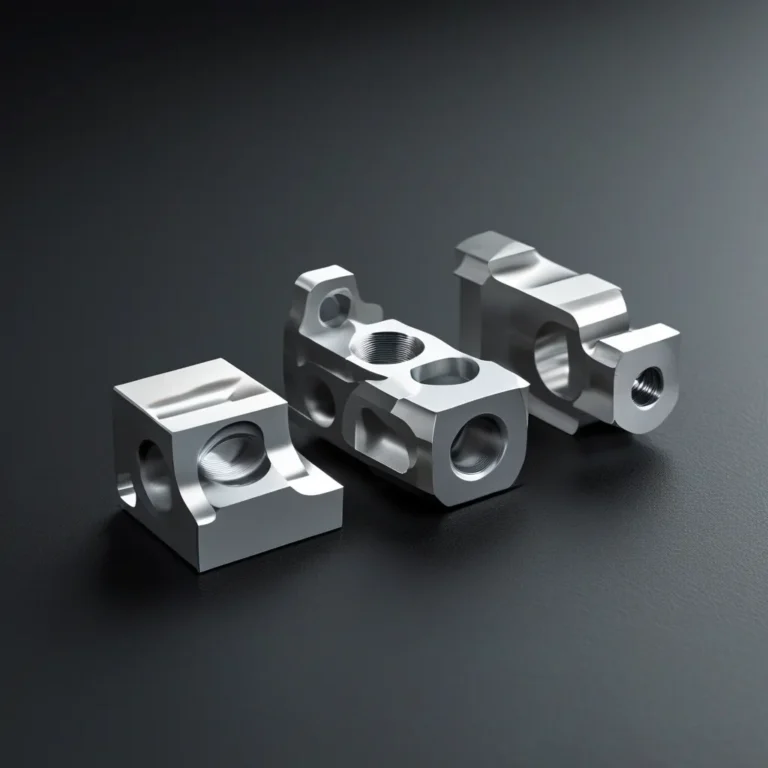
Metal 3D Printing Cost Breakdown (2026): What Your Quote Pays For
A metal 3D printing quote is five line items: powder, machine time, setup & data prep, post-processing, and inspection. In 2026, powder runs roughly $60–600 per kg depending on alloy, machine time…
Engineering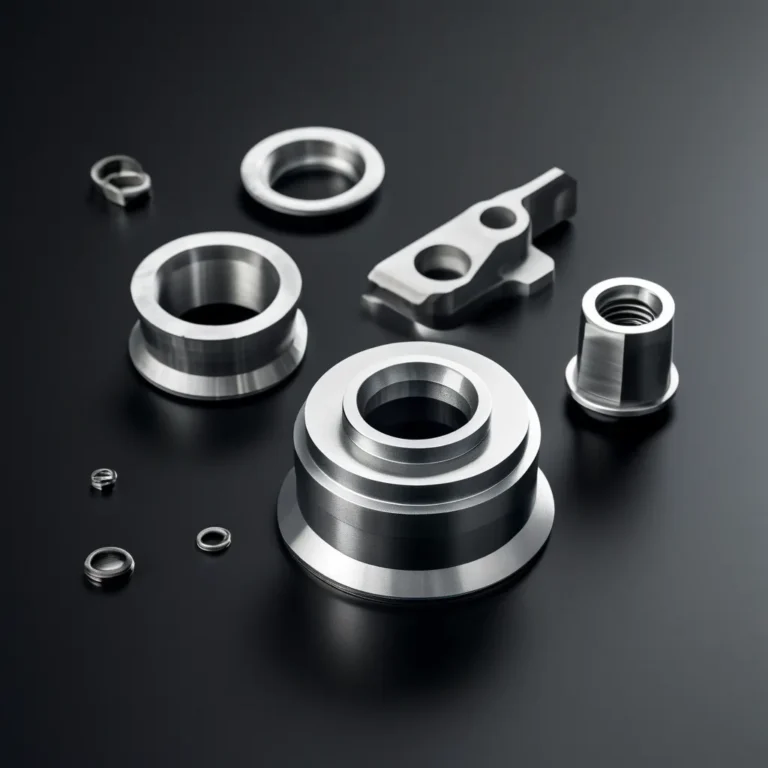
Part Consolidation: When 20 Parts Should Be One
Part consolidation means replacing an assembly — fasteners, welds, brazes, seals and all — with one printed body. The canonical proof is GE’s LEAP fuel nozzle: 20 separately manufactured components became one…
Engineering
Inconel 718 vs 625: Which Nickel Alloy for Your Application
Pick Inconel 718 when strength up to ~700 °C governs; pick Inconel 625 when corrosion, weldability or higher-temperature exposure governs. Both are nickel-based, both print reliably on laser powder beds, and both…
Engineering
Understanding Metal AM Powder: Sphericity, PSD, and Why It Matters
Metal powder is where part quality — and a large share of part cost — is decided before the laser ever fires. For laser powder bed fusion the workhorse spec is a…
Engineering
Metal 3D Printing for Humanoid Robots
Short answer: Metal 3D printing — laser powder bed fusion (LPBF/SLM) — is used today for the lightweight structural parts of humanoid robots: thighs, wrists, leg shells, finger joints and six-axis force…
Engineering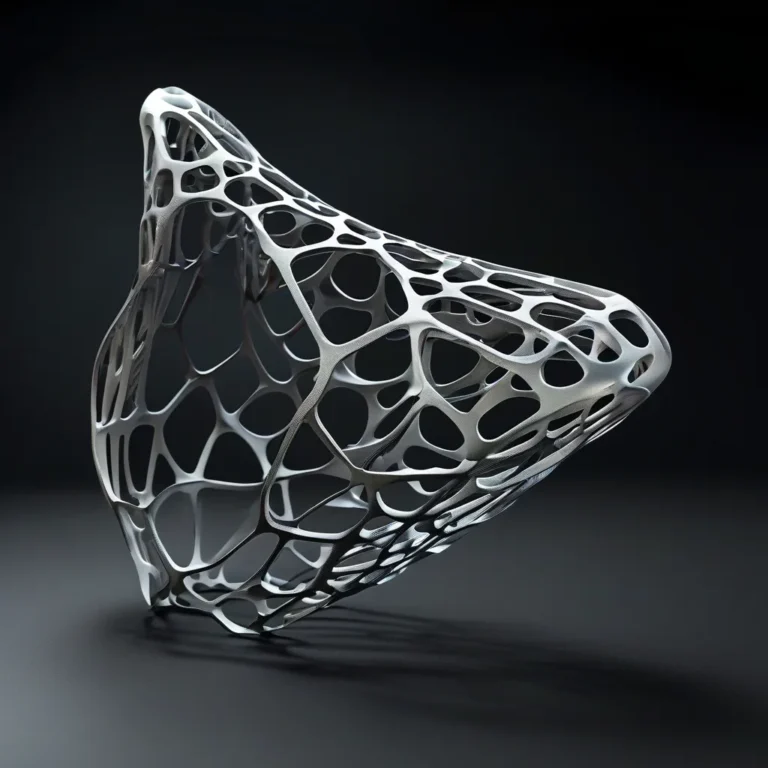
Buy-to-Fly Ratio: The Hidden Cost of Machining From Billet
A machined titanium aerospace part routinely buys 6–20 kg of billet to fly 1 kg — and large structural forgings run far worse. The same part grown by laser powder bed fusion…
Engineering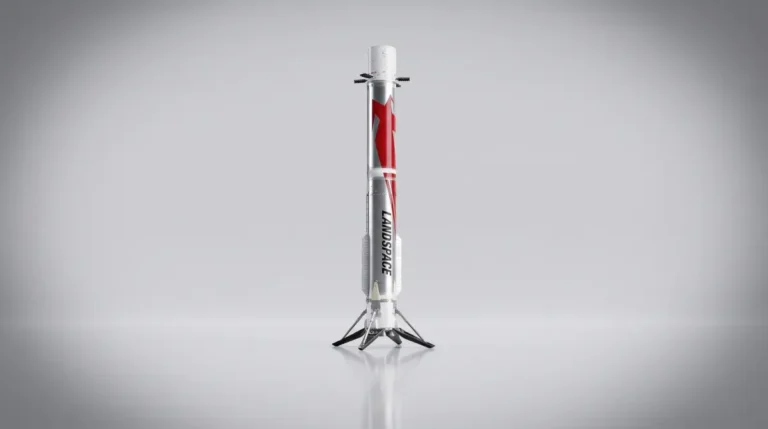
Zhuque-3 Rocket: Which Parts Are Metal 3D Printed?
Roughly 70% of the parts in the Tianque-12B engine that powers LandSpace’s Zhuque-3 are metal 3D printed — about 30% fewer components than an equivalently capable machined-and-welded design.[3][8] That is the highest…
Engineering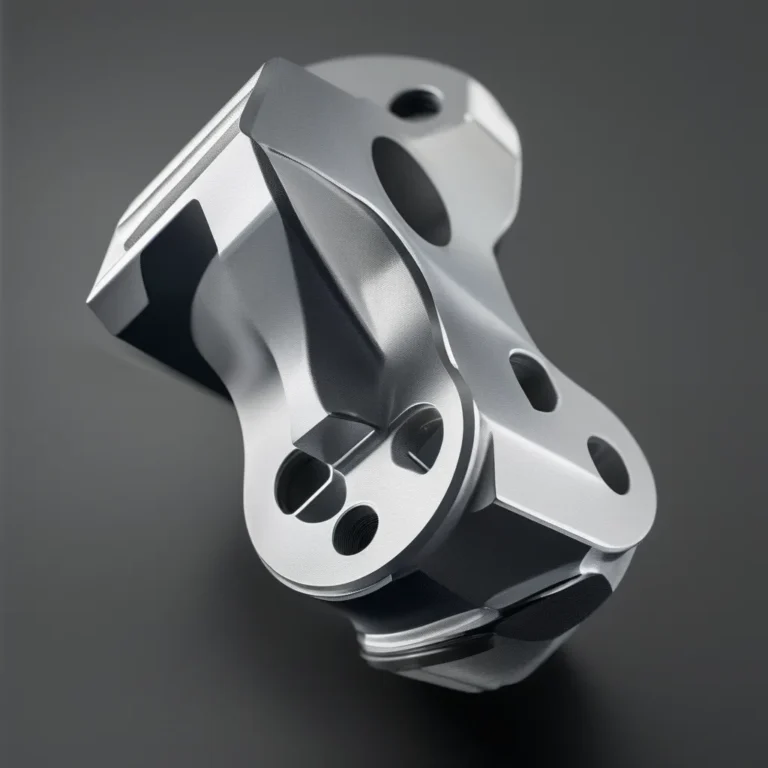
Post-Processing Is Half the Cost. Here’s Why.
On a typical laser powder bed fusion part, 30–50% of the final cost happens after the build ends. At single-piece volumes the share can approach two-thirds; at batches of ~50 it settles…
Engineering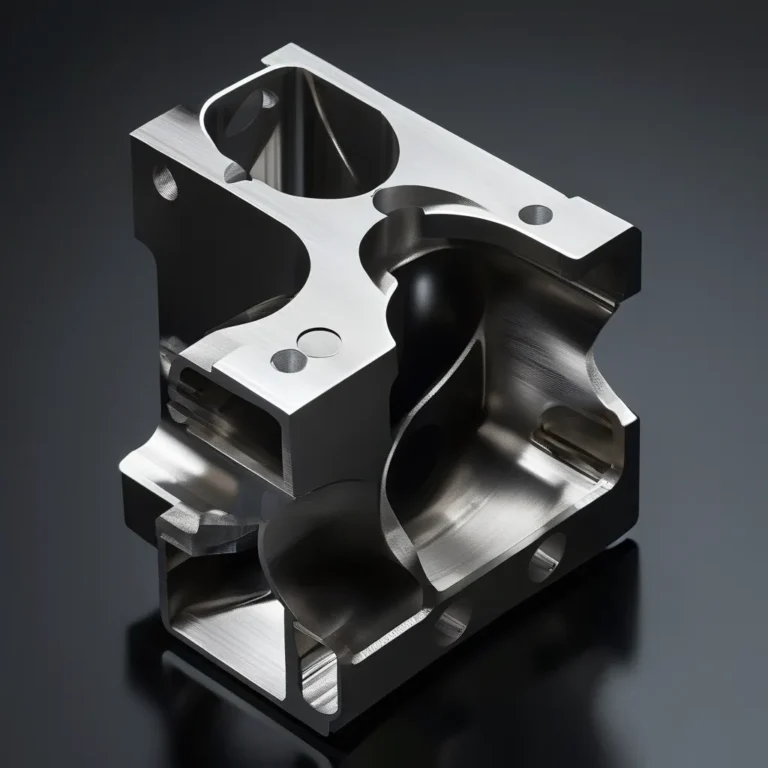
316L vs 17-4PH: Choosing Stainless Steel for Metal AM
One variable decides it: will the part fail because of its environment, or because of its load? If corrosion kills the part, specify 316L. If stress kills the part, specify 17-4PH. Both…
Engineering
Metal 3D Printing vs CNC Machining Cost: Where’s the Crossover?
The crossover is earlier than most engineers expect: complex titanium or Inconel parts at 1–200 pieces usually win on total program cost with metal AM.
Engineering