Orthopedic & Bone Structures
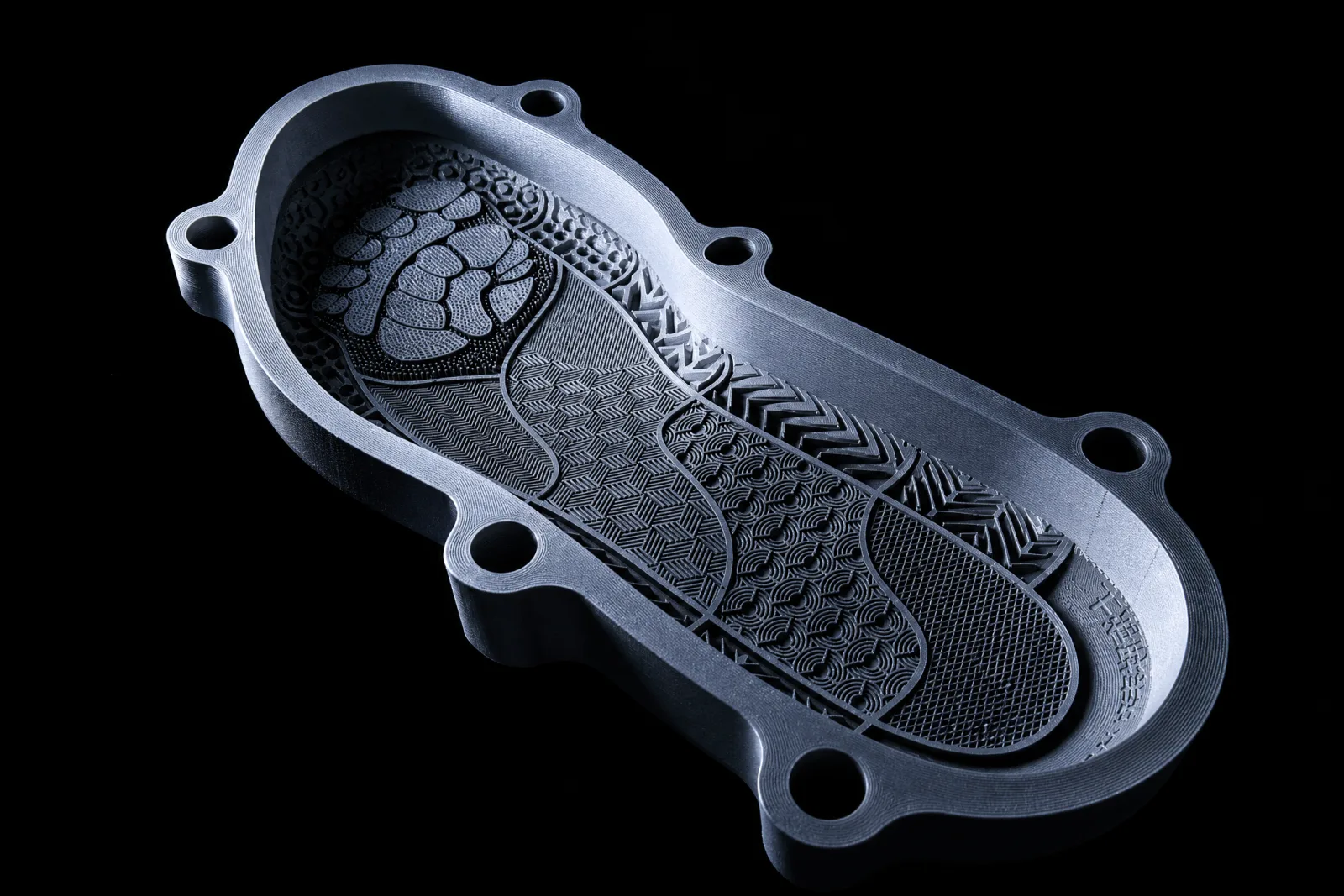
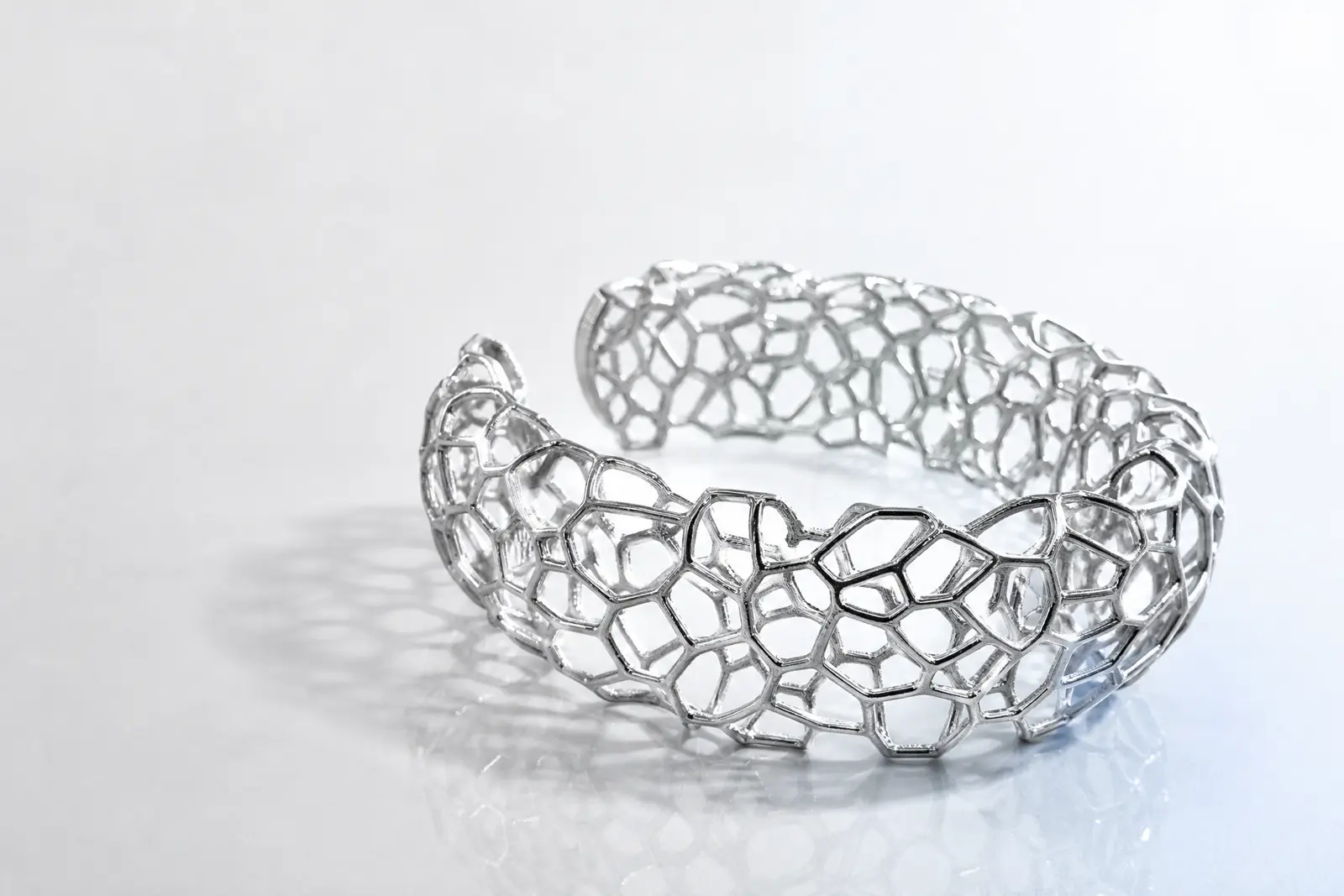
Orthopedic implants benefit from two AM capabilities at once: patient-matched geometry and porous bone-ingrowth surfaces. Lattice and trabecular-like structures can be designed directly into the part, giving bone a surface to grow into that no cutting tool can create.
Ti6Al4V ELI (ASTM F3001) is the implant-grade workhorse: low interstitial content, better ductility, and proven biocompatibility. Cobalt-chrome (ASTM F3213) is used where wear resistance matters; titanium is preferred for MRI compatibility.
- Patient-matched implants and custom revision components
- Porous lattice / trabecular bone-ingrowth surfaces
- Custom surgical guides and cutting/drill guides
- Lightweight instrument handles and trial components
Dental: Crowns, Bridges, Guides
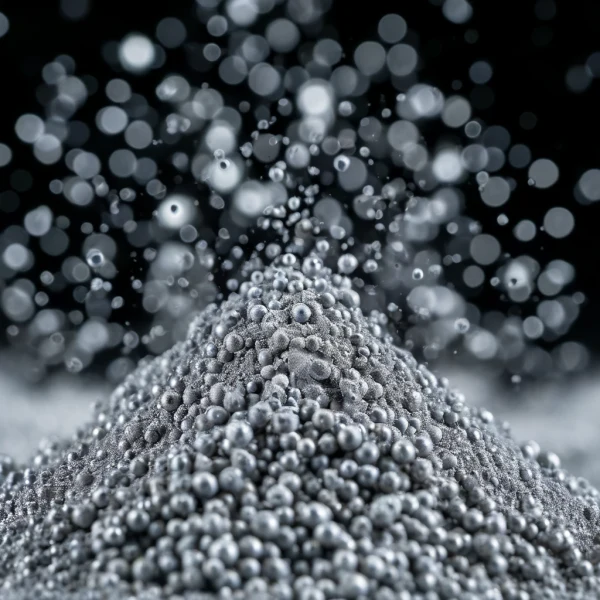
Dental AM has moved from prototypes to production. CoCr crowns and bridges, custom abutments, implant drill guides, and dental models can be built without tooling — one-off or small batch at the same per-part logic.
- CoCr crowns, bridges, and frameworks
- Custom implant abutments and temporary restorations
- Surgical drill guides and model-based planning aids
- Ti6Al4V ELI for patient-matched hardware
Why Metal AM for Medical Hardware
| Constraint | Why AM |
|---|---|
| Patient-specific geometry | No tooling per patient; CAD changes are free |
| Porous bone-ingrowth surfaces | Lattice designed into the part, not added later |
| Complex internal features | Channels, undercuts, and lightweight structures CNC can't reach |
| Low volume | No mold or minimum-order penalty |
| Traceability | Powder lot, build record, heat treatment and material certificate |
Quality & Regulatory Route
Medical builds run on our in-house systems under ISO 9001, with first-article and documentation managed by our engineering team. Zeming issues material certificates as the producing facility; we compile powder, build, heat-treatment, XRF, dimensional, and NDT records into one traceability package.
Important boundary: 3D Demiurge is a metal AM component manufacturer, not a medical device manufacturer of record. Device classification, sterilization validation, biocompatibility testing, and regulatory responsibilities remain with the manufacturer or authorized entity that places the device on the market.
Medical & Dental FAQ
Can you make patient-specific implants?
We provide DfAM engineering, in-house build, post-processing, inspection and documentation for patient-matched hardware. Regulatory and clinical responsibilities belong to the manufacturer of record; we do not position ourselves as that entity.
Which medical alloys do you offer?
Ti6Al4V Grade 5 and ELI (ASTM F2924 / F3001), cobalt-chrome (ASTM F3213), 316L stainless, and 17-4PH. All are verified by in-house XRF before finishing.
Do you hold ISO 13485?
We build under our ISO 9001 quality system; we do not hold ISO 13485. Regulatory QMS responsibility belongs to the medical device manufacturer of record — we supply fully documented AM components and hold all build, powder and inspection records.
Can you make surgical guides?
Yes. Guides and instrument prototypes are a practical first application: low volume, custom geometry, fast iteration, and no tooling.