The Titanium Waste Problem
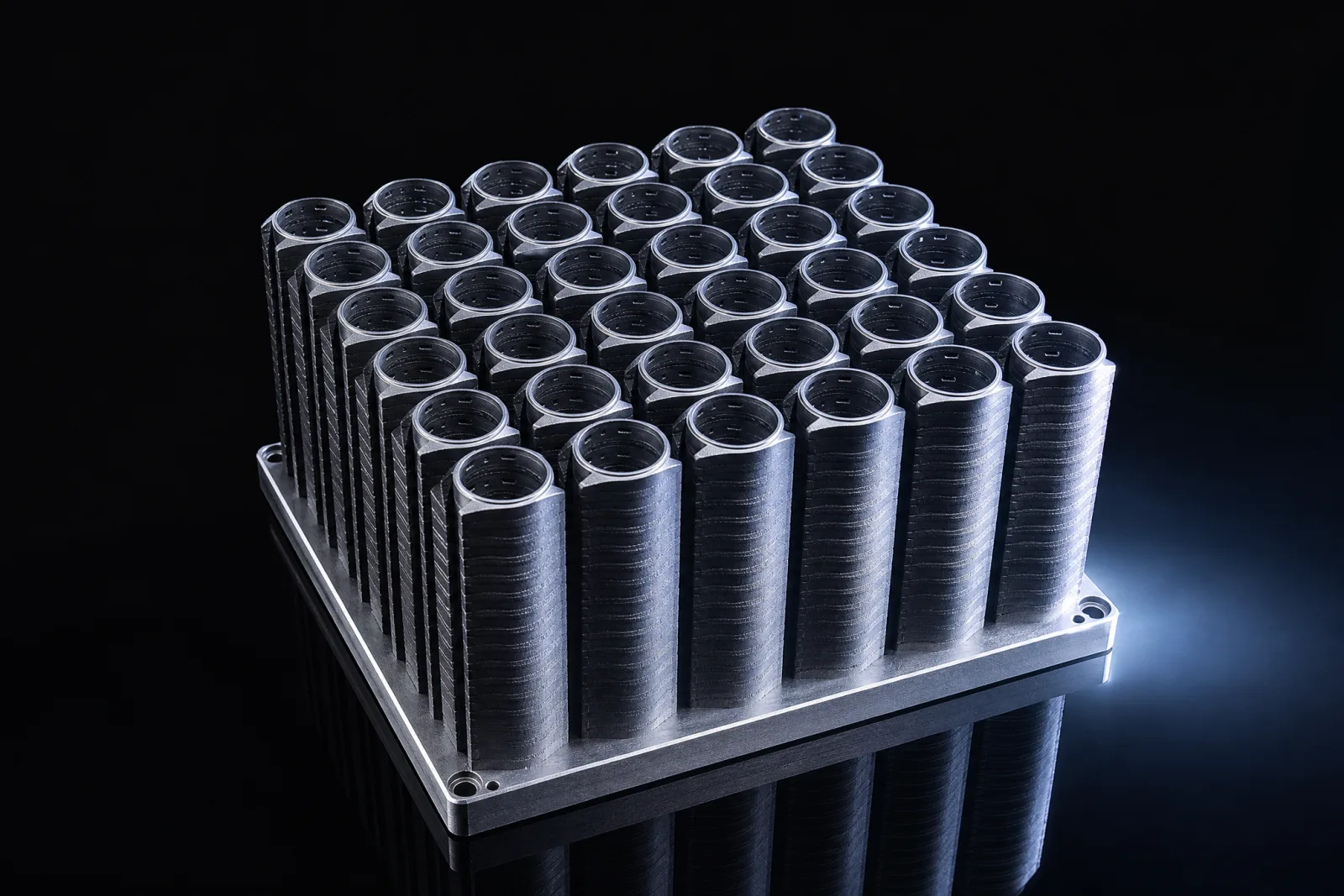
CNC-machining a titanium watch case from a billet is highly wasteful. A typical 10:1 to 20:1 buy-to-fly ratio means 90–95% of the expensive titanium becomes chips. At $30–50/kg for Ti6Al4V billet, a 50 g watch case requires roughly 1 kg of raw material — $30–50 in titanium alone, most of it ending up as floor sweepings. Multiply by millions of units and the waste is staggering.
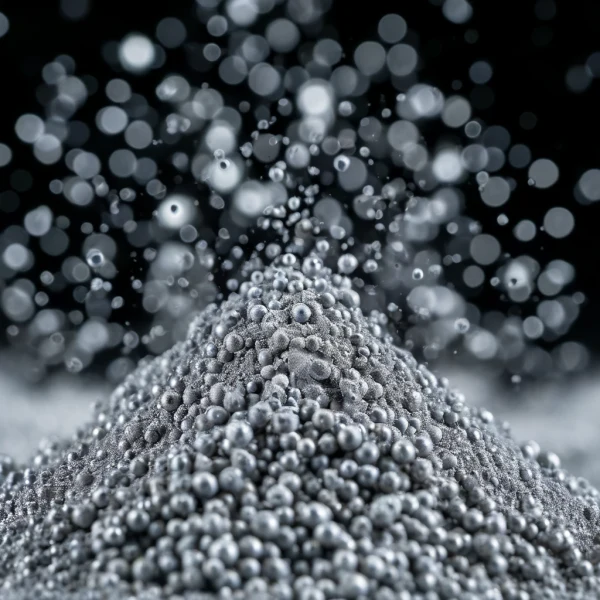
Laser powder bed fusion (L-PBF) flips this equation. The part is built near-net-shape from powder. Unused powder is sieved and reused. Material utilization jumps from 5–10% to over 50%.
Apple's Bet on Metal AM
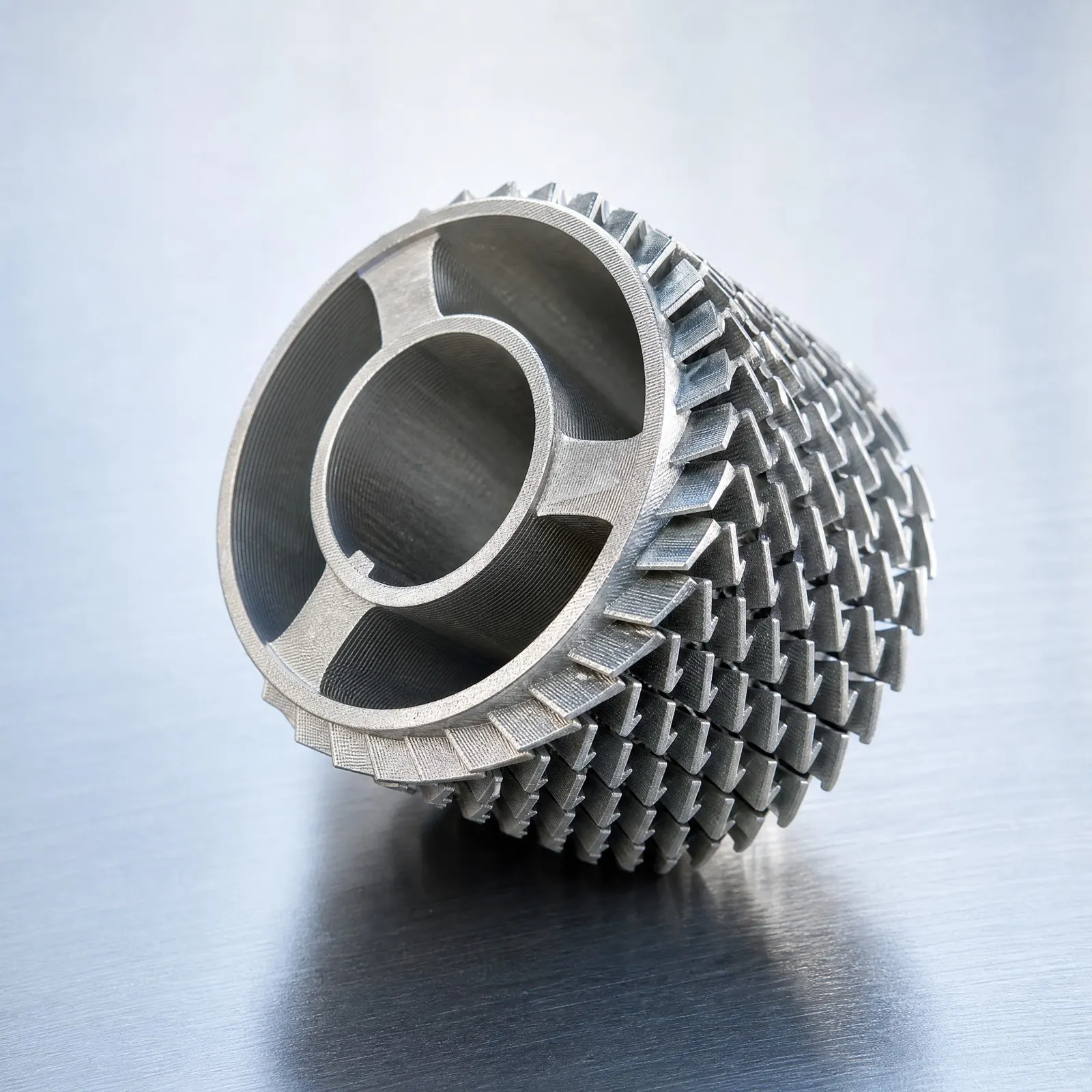
In 2025, Apple reportedly switched the Watch Ultra 3 and Series 11 titanium cases from CNC machining to multi-laser laser powder bed fusion (L-PBF) — industry reports describe six synchronized lasers fusing ~60-micron layers of titanium powder, over 900 layers per case. The iPhone Air's USB-C port became the first 3D-printed metal component in an iPhone, per iFixit's teardown. Apple reportedly tested binder jetting as early as 2023 but pivoted to multi-laser L-PBF for its superior density and surface quality.
If a $3 trillion company is betting its flagship product line on metal AM, the economics are proven at mass-production scale. Apple doesn't adopt manufacturing technologies for marketing — it adopts them because the math works, at tens of millions of units per year.
Beyond Watches
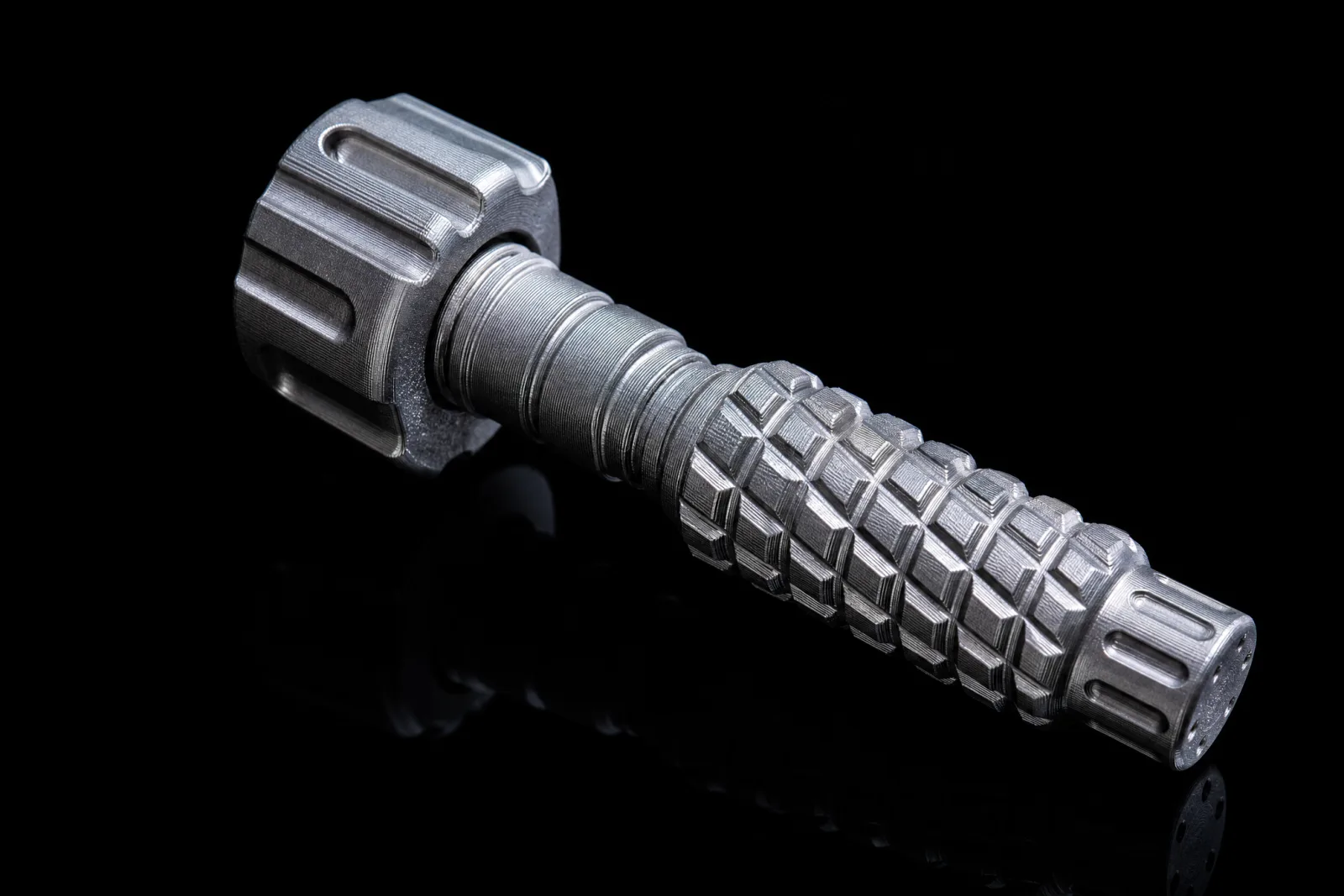
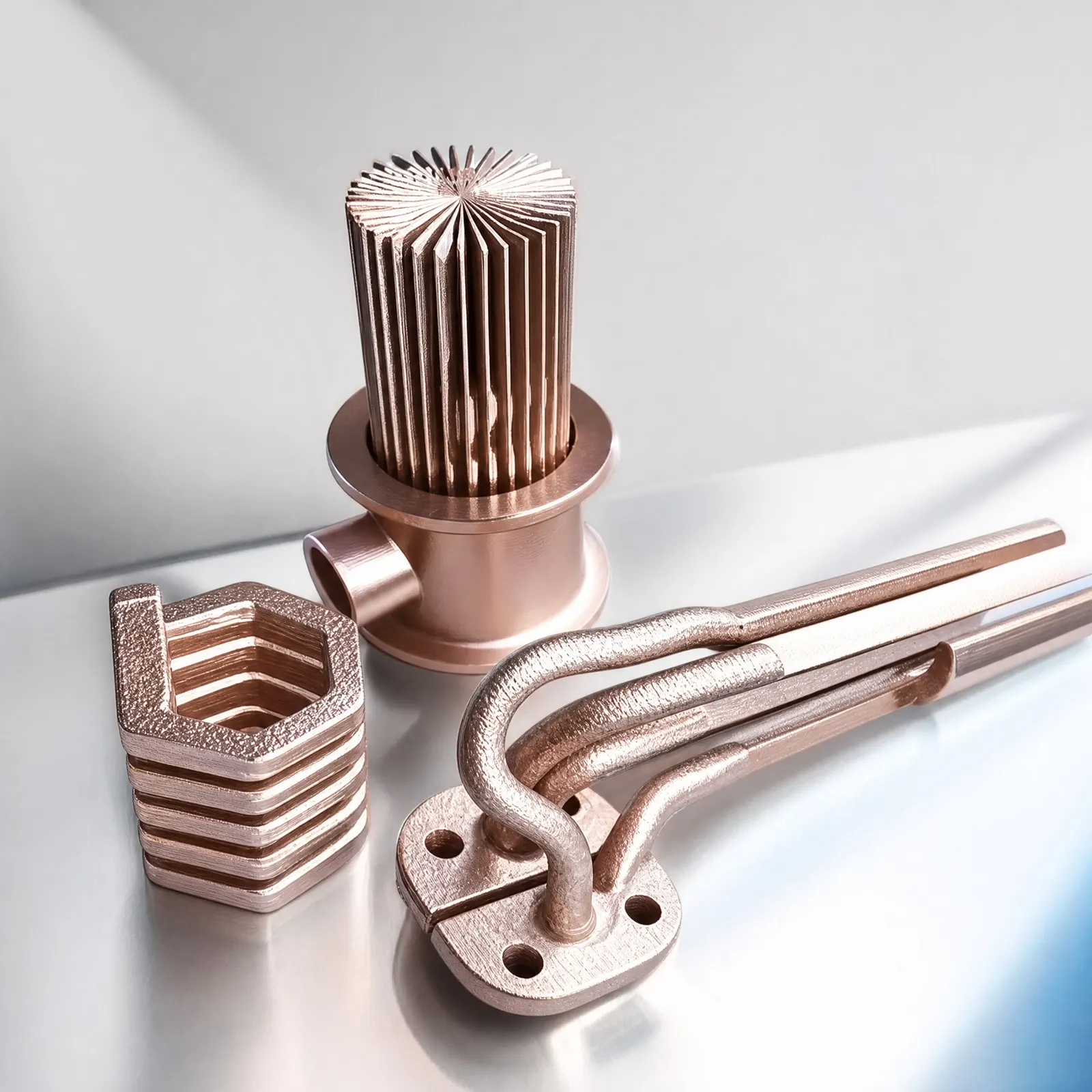
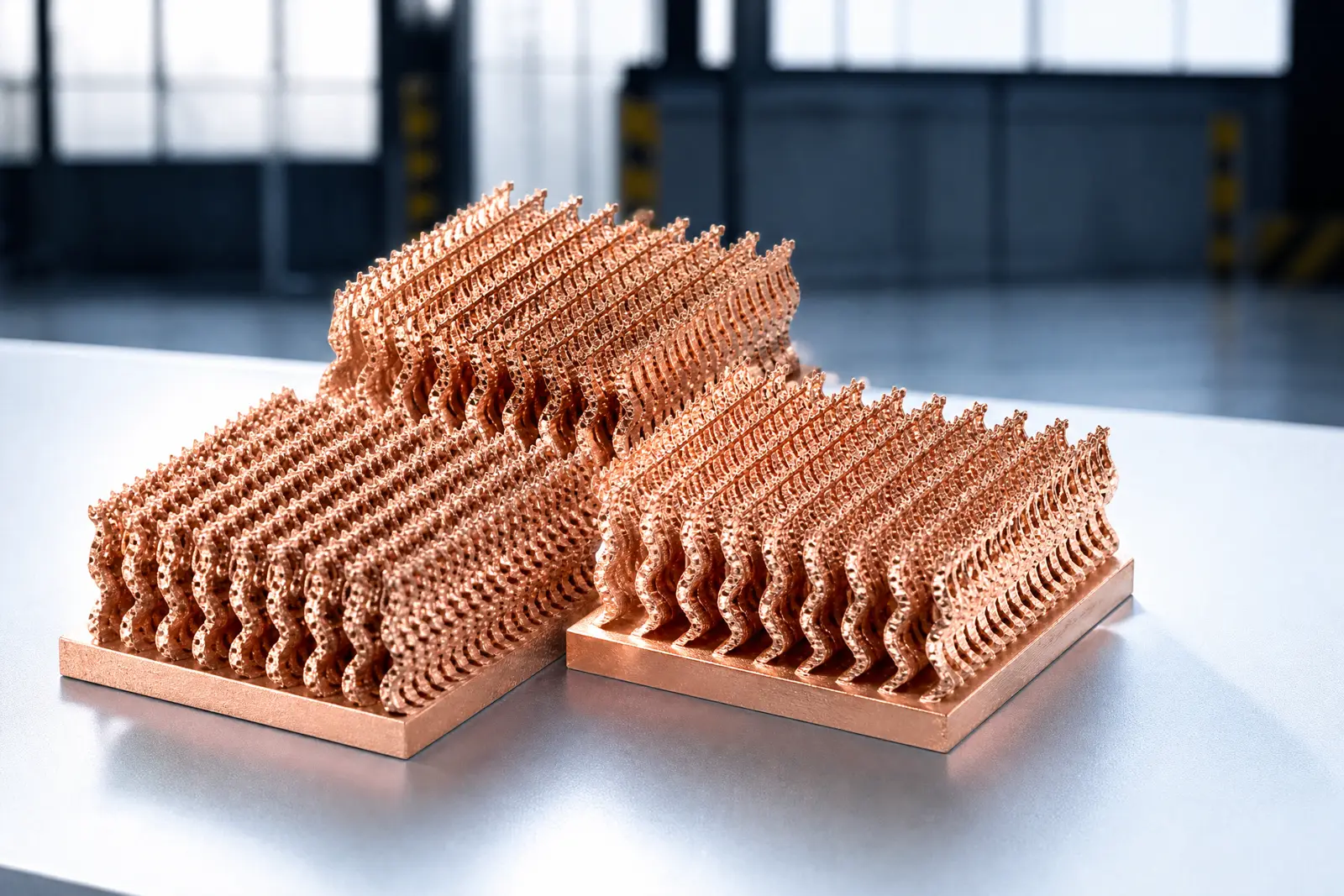
Consumer electronics applications for metal AM are expanding rapidly: smartphone frames and hinge mechanisms (Honor has explored titanium AM for foldable phone hinges), wearable device housings, camera and sensor brackets, heat spreaders and thermal management components (copper AM), and acoustic components with optimized internal geometries.
The common thread: small, complex metal parts where CNC waste dominates material cost, and where AM's geometric freedom enables thinner walls, lighter structures, and integrated features impossible to machine.
The Economics at Scale
| Factor | CNC from Billet | Laser PBF AM |
|---|---|---|
| Material utilization | 5–10% | 50%+ |
| Tooling cost | $5K–50K (fixturing) | $0 |
| Per-part cost at 1M units | Dominated by material waste | Competitive or lower |
| Design iteration | New fixture + reprogram | CAD edit + re-print |
| Geometric freedom | Limited by tool access | Near-unlimited |
| Supply chain | Billet → multiple CNC ops → finish | Powder → print → finish |
Consumer Electronics FAQ
What's the minimum quantity for consumer electronics parts?
No minimum. Single prototypes to production volumes. For quantities above 1,000 units, we optimize nesting, build parameters, and post-processing for cost efficiency. At 10,000+ units, discuss dedicated production programs.
Can you match the surface finish of a CNC-machined consumer product?
As-built L-PBF surface is approximately Ra 8–20 μm. With bead blasting + electropolishing, we achieve Ra < 1 μm — comparable to a machined and polished surface. Cosmetic surfaces for consumer products typically require the full finishing chain.
Which alloys are suitable for consumer electronics?
Ti6Al4V for premium housings and structural components (lightweight, strong, corrosion-resistant). AlSi10Mg for lightweight internal brackets and heat sinks. 316L stainless for durable, corrosion-resistant enclosures. Copper alloys for thermal management.
Is metal AM fast enough for consumer electronics volumes?
Multi-laser L-PBF already runs titanium case production at mass scale in consumer electronics. For your application, we'll recommend the right route — our in-house L-PBF, or partner-network binder jetting / DED where appropriate — based on volume and geometry.