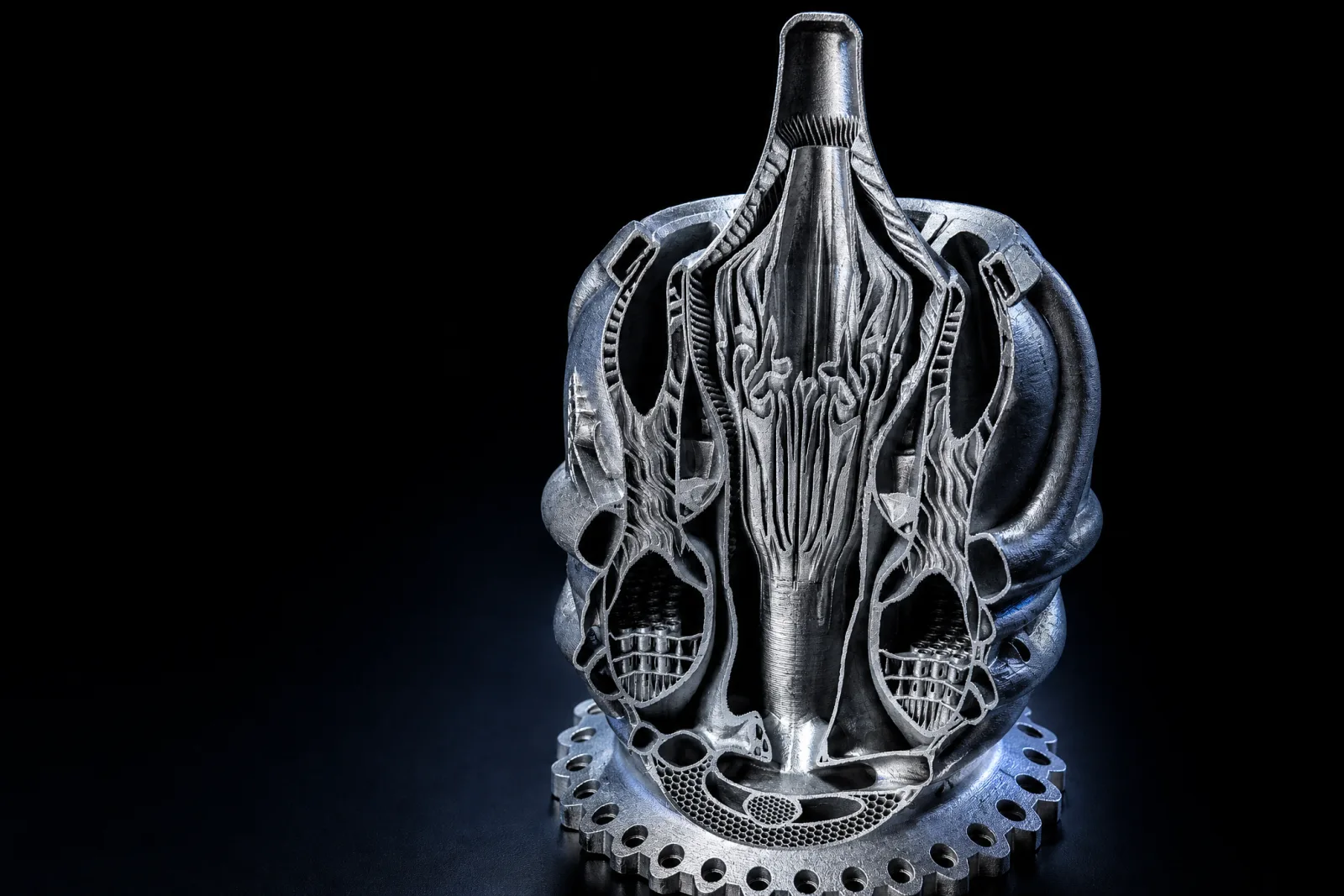
The Problem With Straight Cooling Channels
Injection molding is a cooling problem. 60–70% of total cycle time is spent waiting for the plastic to solidify. Every second of cooling time removed increases machine throughput directly — more parts per hour from the same machine, the same operator, the same floor space.
Traditional mold cooling is done by gun-drilling straight holes through the tool steel. Straight lines. Round cross-sections. The channels must avoid ejector pins, slides, and the part cavity itself. The result: cooling channels that are far from the part surface, unevenly spaced, cooling the mold instead of the part.
The AM Solution: Channels That Follow the Part
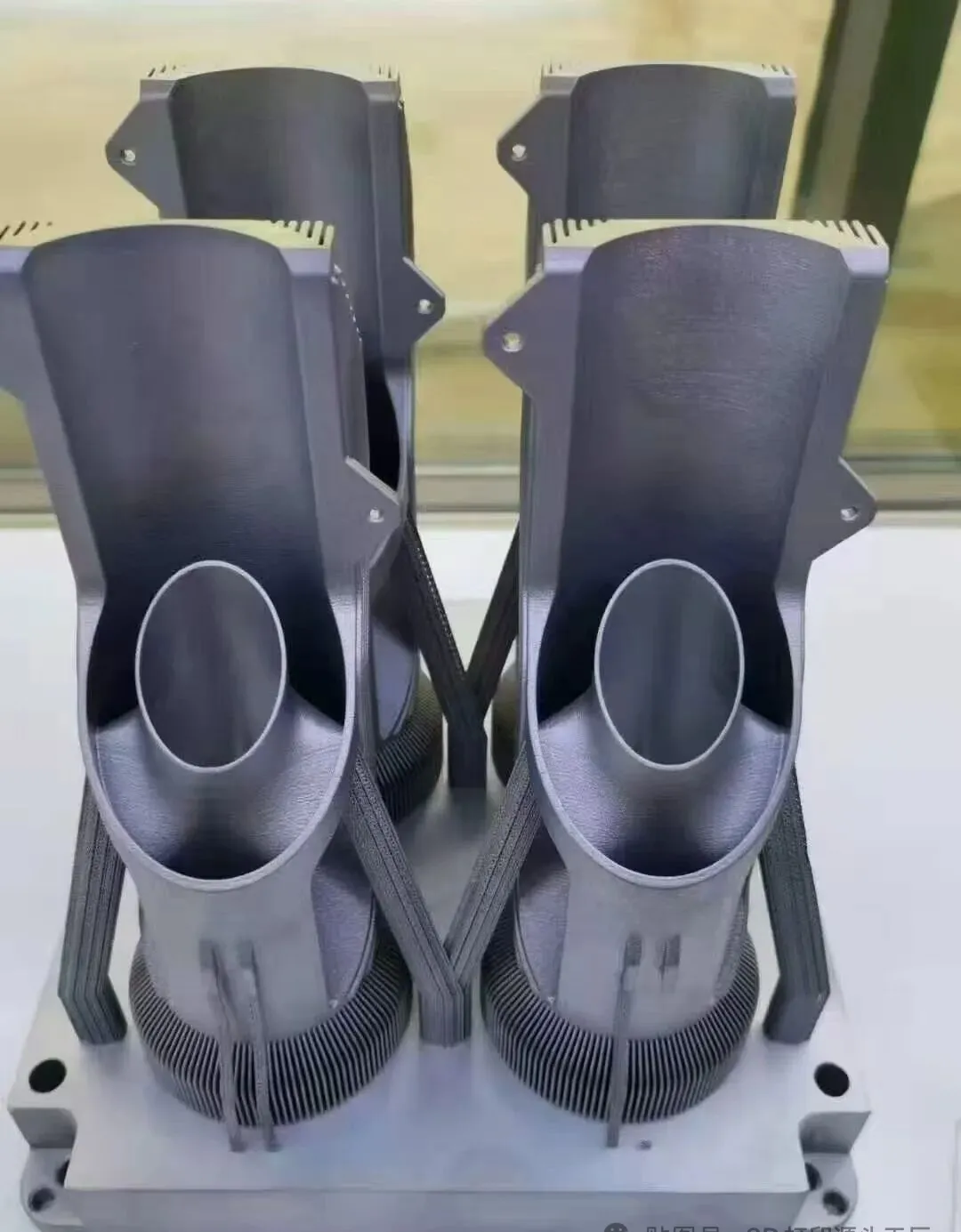
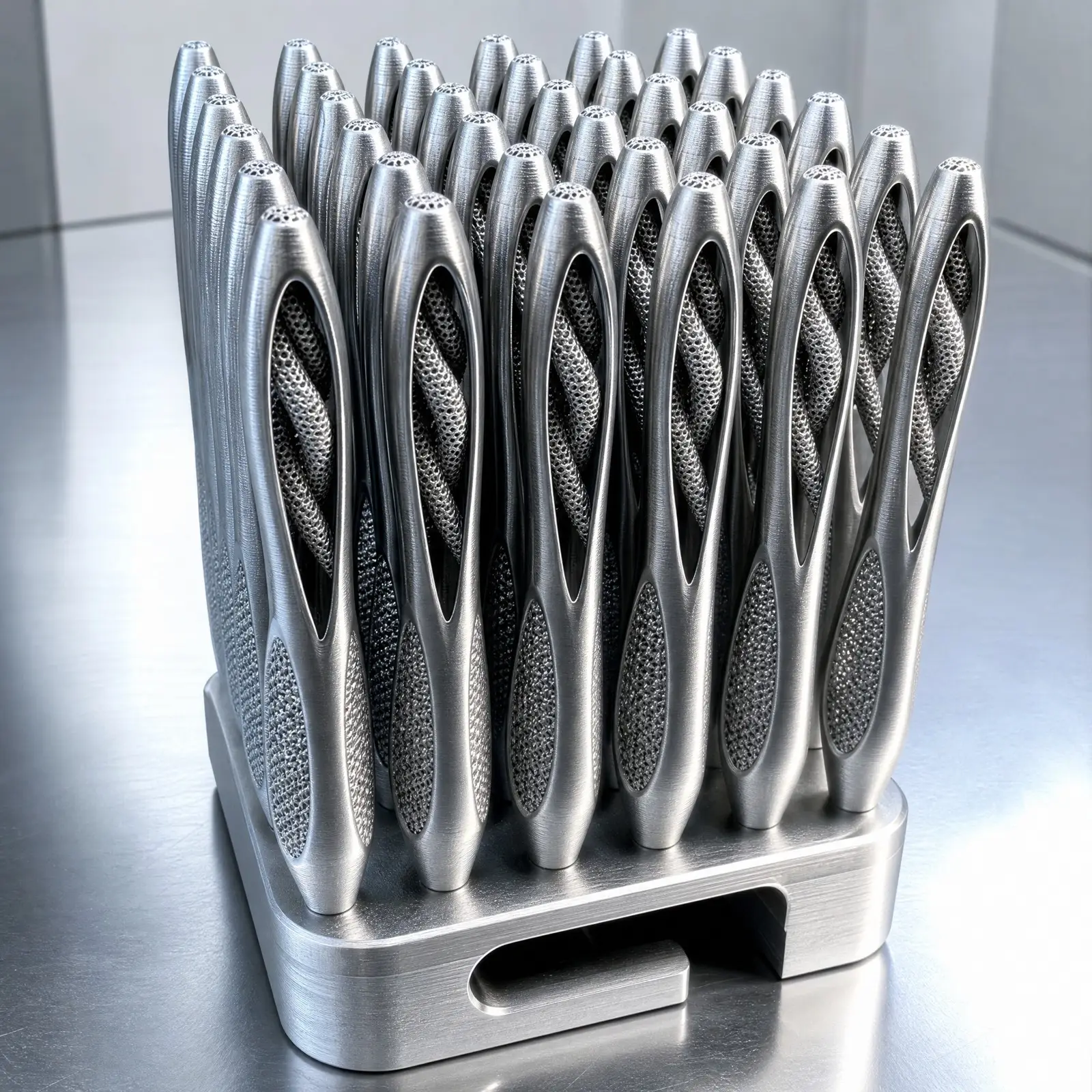
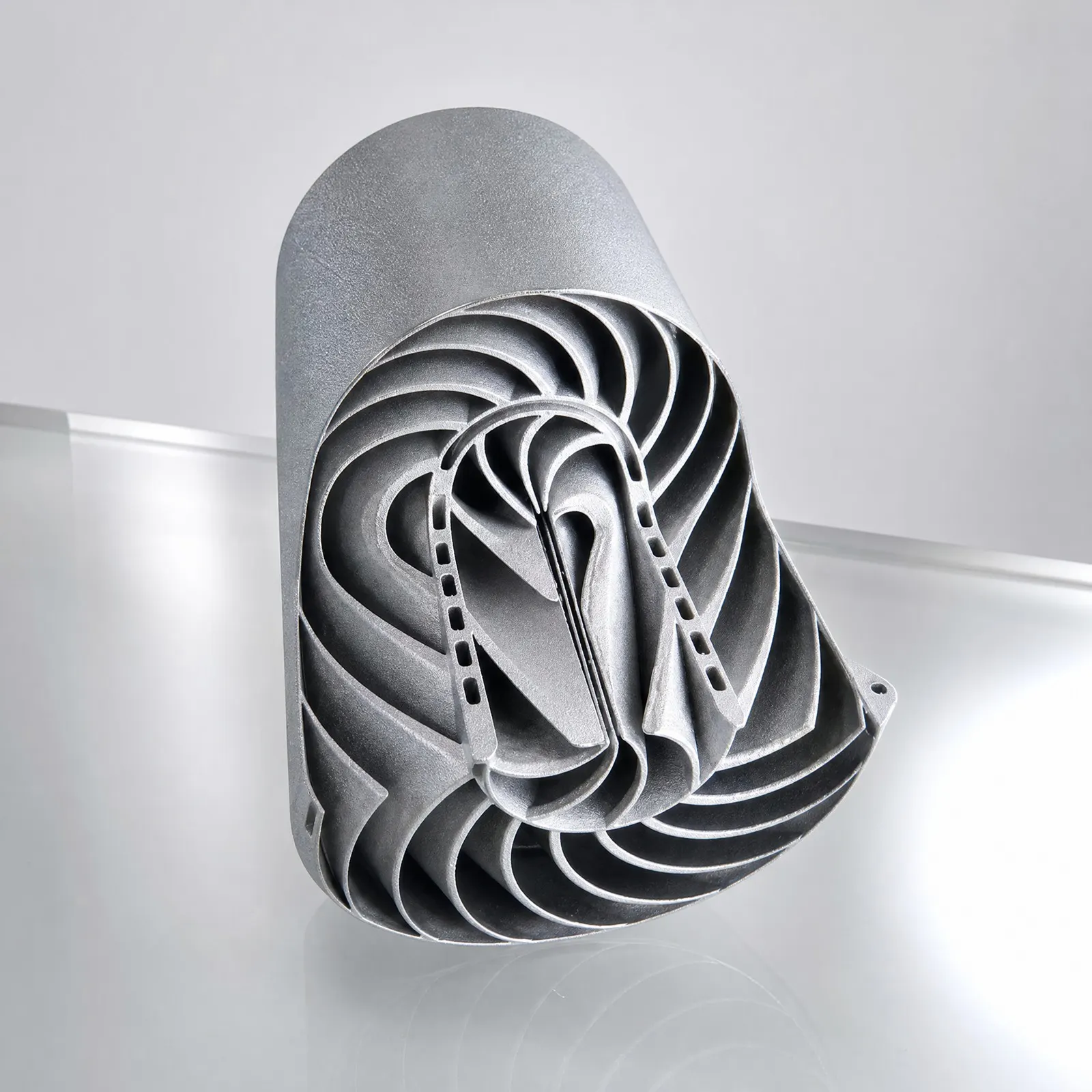
Conformal cooling channels are curved passages that follow the part contour exactly — maintaining a constant distance from the mold surface, through every curve, corner, and rib. This is impossible to produce with drilling. It is routine with metal AM.
With L-PBF (DMLS/SLM), the mold insert is printed with the cooling channels already inside — as part of the build. No drilling. No plugs. No compromises on channel placement. The channels can spiral, branch, change diameter, and wrap around ejector pin holes. The result: uniform cooling, faster solidification, less warpage, fewer rejects.
Real-World Results
| Company | Application | Result |
|---|---|---|
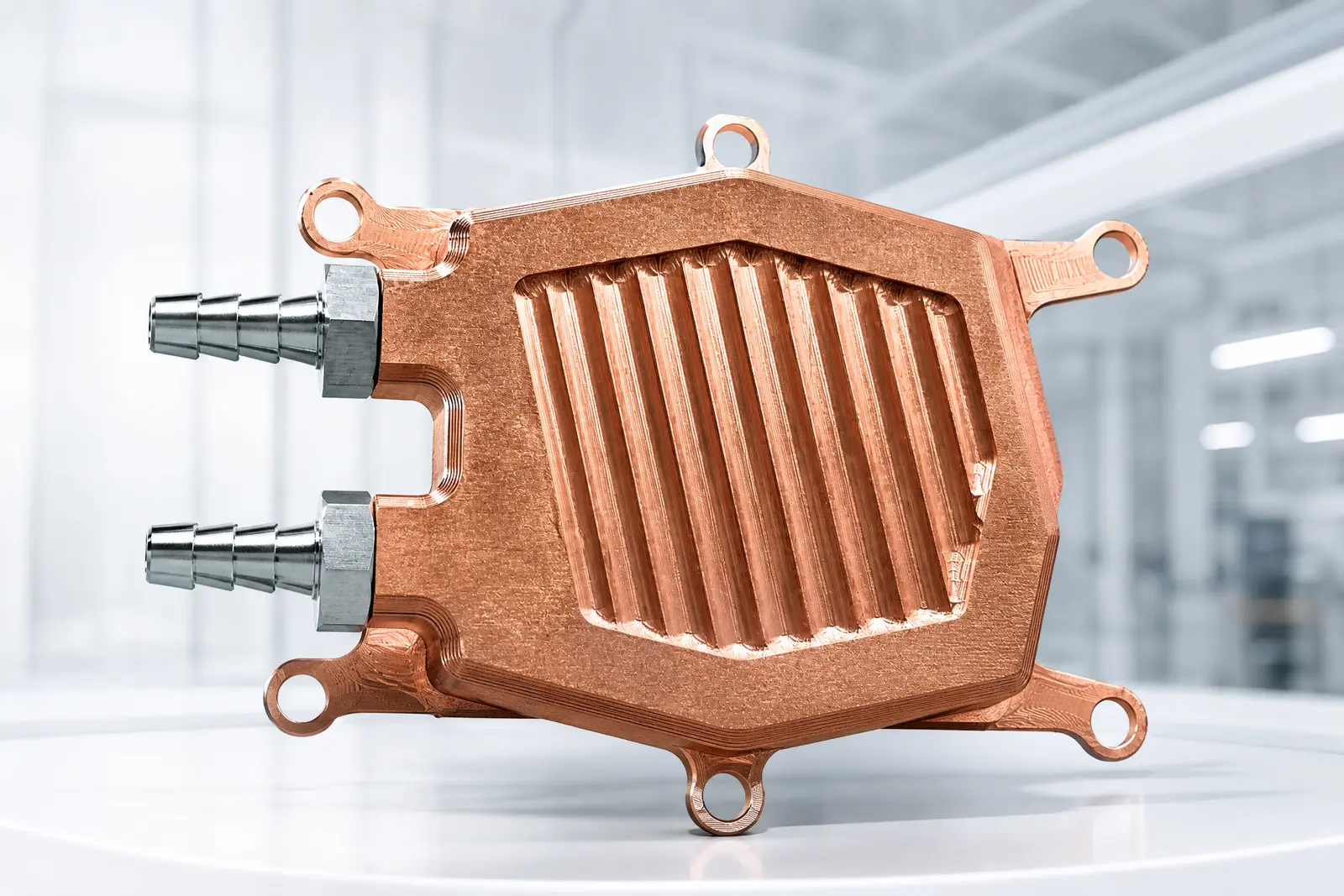
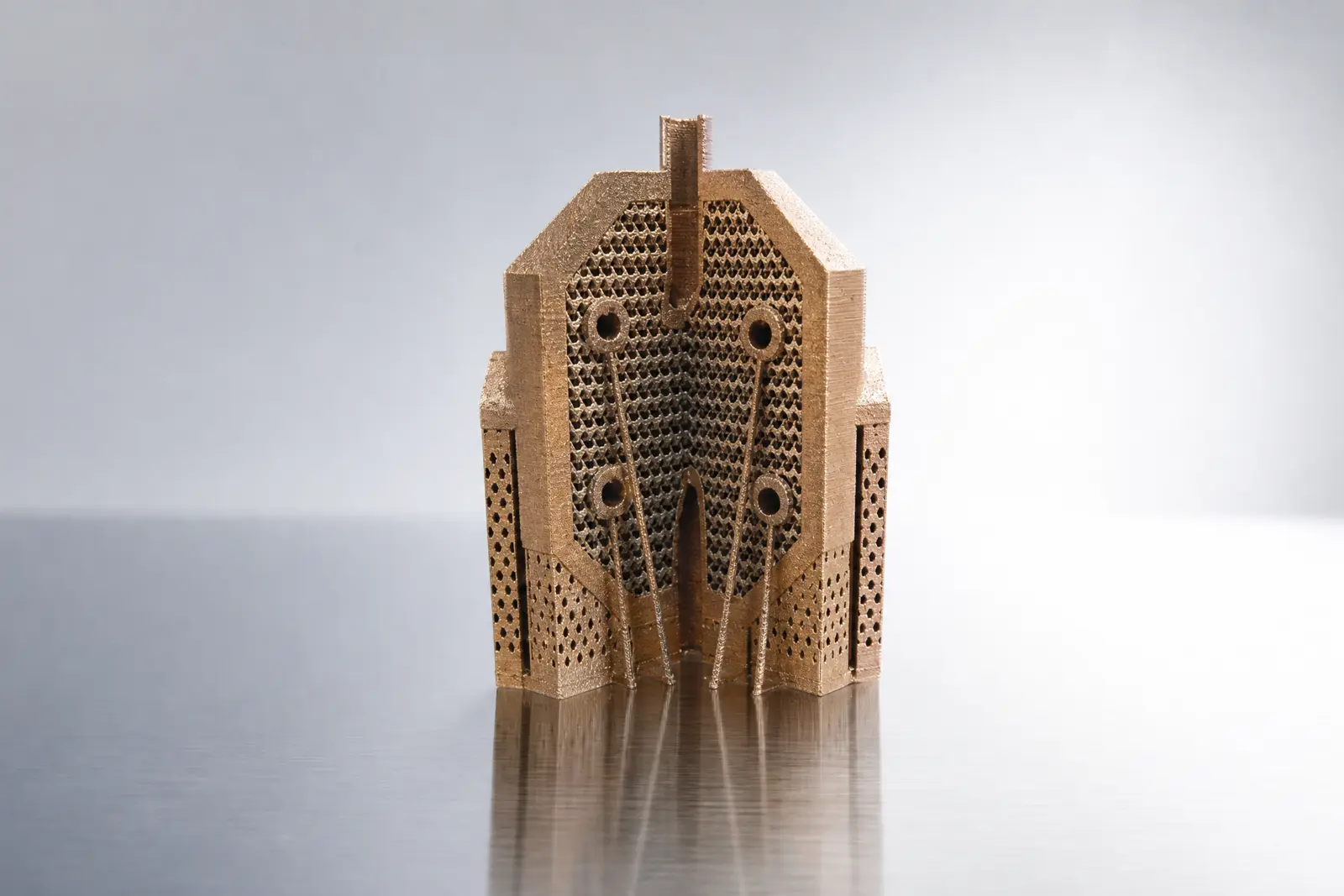
| Kärcher (Renishaw) | Injection mold insert with conformal cooling | Cooling time reduced 55% |
| Bastech (3D Systems) | Conformal cooling mold inserts | Production throughput +30% |
| ABB (Nikon SLM) | Optimized mold design | Significant cycle time reduction |
| Rawlplug | Injection mold with conformal channels | Scrap rate reduced, quality improved |
The Economics
A typical injection molding machine costs $50–150 per hour to operate (machine, operator, overhead, floor space). If conformal cooling reduces cycle time by 40%, a single machine running two shifts saves approximately $60,000–180,000 per year. The AM mold insert costs $2,000–8,000. Payback is measured in weeks, not years.
This is the reframe: you don't buy a printed insert to save on the insert. You buy it to unlock the throughput of a much more expensive asset — the molding machine. The insert is a lever.
Discuss a conformal cooling project →
Conformal Cooling FAQ
What mold materials can you print?
Tool steel (MS1 / 1.2709, a maraging grade) is the standard for conformal cooling mold inserts. 17-4PH stainless is also available for specific applications. We'll recommend the right alloy based on your molding material, cycle count, and operating temperature.
How smooth are the internal channels?
As-built L-PBF internal channels have a surface roughness of approximately Ra 8–15 μm. For conformal cooling, this surface roughness is actually beneficial — it promotes turbulent flow and improves heat transfer. If smoother channels are required, abrasive flow machining can be applied.
How long does a printed mold insert last?
Tool steel AM inserts match the hardness and wear resistance of conventionally manufactured tool steel after heat treatment (typically 50–54 HRC for MS1). Lifespan is comparable to a conventionally machined insert of the same material — hundreds of thousands to millions of cycles, depending on the plastic and fillers.
Can you add conformal cooling to an existing mold?
Yes — we can print a replacement insert with conformal cooling channels, designed to drop into your existing mold base. Send us the existing insert CAD or drawing, and our DfAM review will assess feasibility.